Easily Metabolized Glucose Carbon Source for Biological Wastewater Systems
Glucose | Biological Wastewater Systems
Glucose-based carbon source designed to support stable biological nitrogen and phosphorus removal in carbon-limited wastewater systems.
What Is Glucose Used for in Water Treatment?
Glucose is a readily biodegradable organic carbon source applied in biological water and wastewater treatment systems to support microbial metabolism.
In treatment processes where influent wastewater lacks sufficient biodegradable carbon, glucose provides a gentle and easily assimilated energy source for denitrifying bacteria and phosphorus-accumulating organisms.
As a glucose supplier for water treatment applications, we offer solid glucose with stable composition and reliable biodegradability. Compared with faster-reacting carbon sources, glucose delivers a smoother biological response, making it suitable for systems that prioritize operational stability, controlled nutrient removal, and reduced process disturbance.
Key Functions of Glucose in Biological Treatment
Supports Microbial Metabolism
Provides an accessible energy source for biological nutrient removal processes.
Stabilizes Biological Performance
Helps maintain consistent nitrogen and phosphorus removal under variable influent conditions.
Gentle Carbon Supplementation
Reduces the risk of microbial shock caused by aggressive carbon dosing.
Environmentally Compatible Degradation
Fully biodegrades into CO₂ and water without persistent residues.
Technical Specifications of Glucose
| Item | Specification |
| Product Name | Glucose |
| Also Known as | D-Glucose, Dextrose |
| CAS Number | 50-99-7 |
| EINECS No. | 200-075-1 |
| Appearance | White crystalline powder |
| Glucose Content | ≥98% |
| Solubility | Freely soluble in water |
| pH (solution) | 4.0–6.5 |
| Chloride | ≤0.01% |
| Moisture | ≤10% |
| Application | Biological wastewater treatment |
| Packaging | 25 kg bags / bulk packaging |
Main Applications of Glucose in Biological Treatment Systems
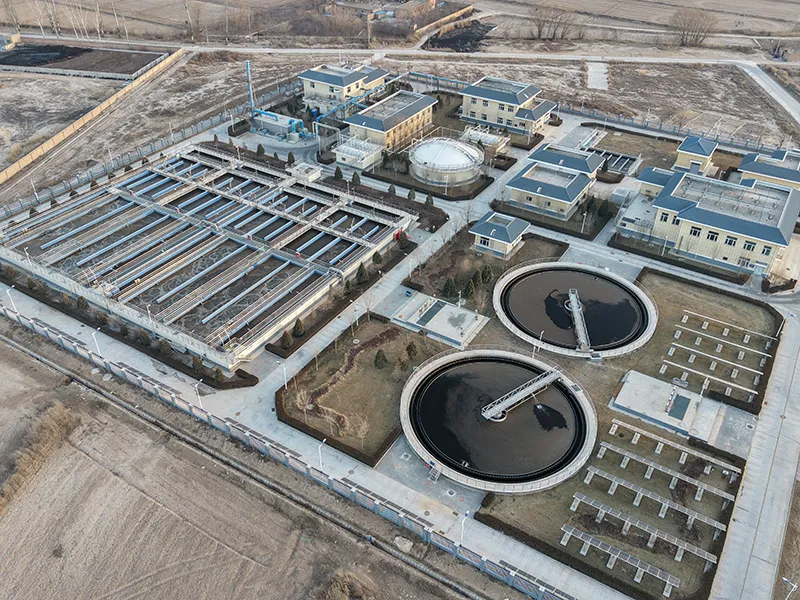
Used to supplement biodegradable carbon in denitrification and biological phosphorus removal tanks.

Applied in biochemical systems requiring gentle carbon input to avoid microbial inhibition.
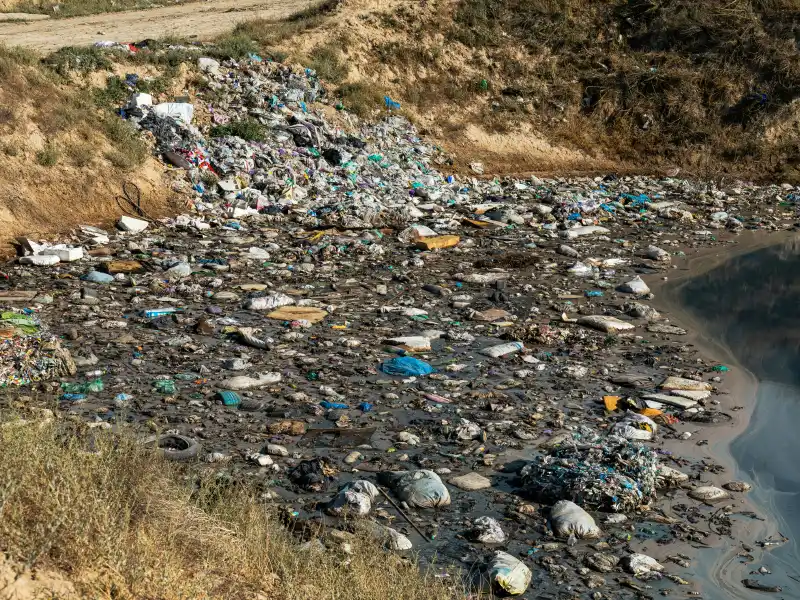
Supports biological nitrogen removal in carbon-deficient, high-ammonia wastewater.
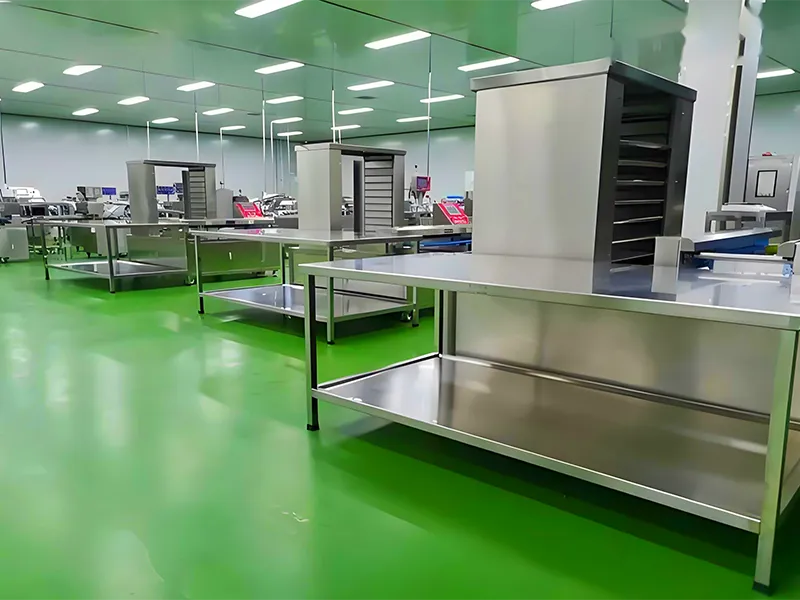
Provides a carbon source favorable for phosphorus-accumulating organisms.
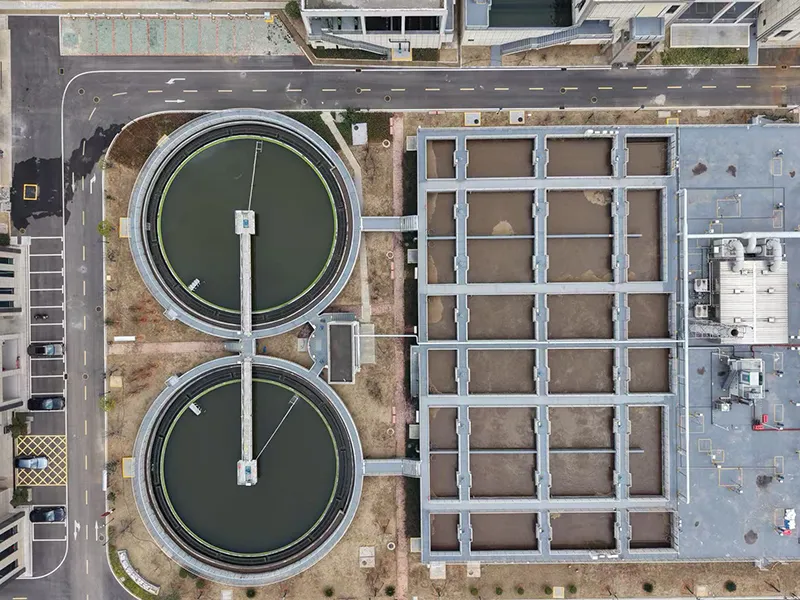
Helps smooth biological performance during load variation or startup phases.
Key Product Features
✔ Mild and Predictable Carbon Release
✔ Supports Stable Microbial Growth
✔ Suitable for Sensitive Biological Systems
✔ Easy Handling and Solution Preparation
Biological Nutrient Removal Performance Using Glucose Carbon Source
Related Products


Recommended Usage Guidelines for Glucose
Dosage determined based on influent TN, TP, and biodegradable COD demand
Typically applied as a prepared solution for accurate dosing
Suitable for continuous or stepwise dosing strategies
Avoid excessive dosing to prevent residual COD accumulation
On-site testing is recommended for dosage optimization
Packaging & Supply Capability
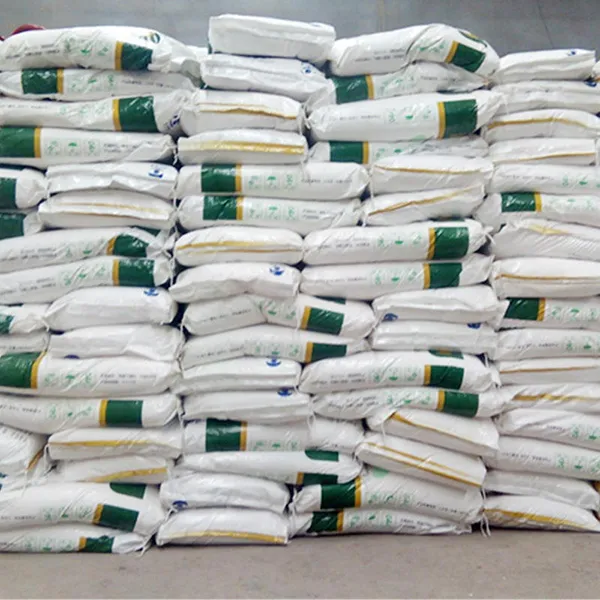
Standard Packaging: 25 kg bags
Bulk Packaging: Available upon request
Suitable for long-term biological treatment projects
Stable supply for municipal and industrial wastewater facilities
Quality Control & Compliance
Controlled raw material sourcing
Consistent glucose content and purity
Batch inspection before delivery
SDS and technical documentation available upon request
Frequently Asked Questions (FAQ)
How to Order Glucose for Water Treatment Applications
1
Wastewater type, treatment goals, and biological process.
2
Carbon source suitability and dosing approach.
3
Pricing and trial support if required.
4
Stable supply and global logistics support.
Sodium Acetate vs Glucose for Water Treatment Applications
| Comparison Aspect | Sodium Acetate | Glucose |
| Carbon Source Type | Low-molecular organic salt | Carbohydrate-based carbon |
| Bioavailability | Directly utilized by denitrifying bacteria | Requires hydrolysis and metabolic conversion |
| Denitrification Response Speed | Fast | Moderate to slow |
| System Startup Performance | Rapid startup | Longer adaptation period |
| Low-Temperature Performance | Stable in low-temperature conditions | Reduced efficiency at low temperatures |
| COD Release Behavior | Stable and predictable | Fluctuating COD release |
| Risk of Residual COD | Low, easy to control | Higher risk of COD carryover |
| Sludge Production | Relatively low | Higher sludge yield |
| Process Stability | High and controllable | More prone to operational fluctuation |
| Dosing Method | Solid or solution dosing | Mainly solution dosing |
| Typical Applications | Municipal & industrial low C/N wastewater | Cost-driven applications |
| Overall Operating Cost | Lower due to stable performance | Lower upfront, higher long-term cost |
Get Carbon Source Support for Biological Treatment
Looking for a stable glucose carbon source for wastewater treatment?
Contact us for technical support and pricing.