Readily Biodegradable Sodium Acetate | Carbon Source for Denitrification
Sodium Acetate | Denitrification
High-reactivity sodium acetate carbon source designed to enhance biological denitrification efficiency in low C/N wastewater treatment systems.
What Is Sodium Acetate for Wastewater Treatment?
Sodium Acetate is a highly bioavailable external carbon source widely used in biological wastewater treatment to support denitrification processes.
Unlike complex organic carbon sources, sodium acetate can be directly absorbed and metabolized by denitrifying bacteria without prior hydrolysis, enabling fast microbial activation and stable nitrogen removal performance.
As a professional sodium acetate supplier for water treatment applications, we offer both powder and crystalline forms suitable for precise dosing and flexible operation. Sodium acetate is especially effective in low C/N ratio wastewater, cold-weather operation, and treatment systems facing total nitrogen (TN) compliance challenges.
Direct Microbial Utilization
Low-molecular acetate ions enter microbial metabolic pathways directly, accelerating denitrification reactions.
Stable and Predictable COD Release
Allows accurate dosage calculation and minimizes the risk of effluent COD fluctuation.
Strong Low-Temperature Adaptability
Maintains biological activity in winter or low-temperature operating conditions.
Clean Degradation Pathway
Decomposes into CO₂ and H₂O without secondary pollution or toxic by-products.
Flexible Solid Forms Available
Powder and crystal options support different storage, dissolution, and feeding systems.
Technical Specifications of Sodium Acetate
| Item | Specification |
| Product Name | Sodium Acetate |
| Also Known as | Sodium Ethanoate, Acetic Acid Sodium Salt |
| CAS Number | 127-09-3 |
| EINECS No. | 204-823-8 |
| Appearance | White powder / crystalline solid |
| Sodium Acetate Content | ≥58% |
| COD (Cr) | ≥440,000 mg/L |
| BOD₅/COD | ≥0.6 |
| pH (1% solution) | 7–9 |
| Water Insoluble Matter | ≤0.05% |
| Chloride (Cl⁻) | ≤0.04% |
| Sulfide (S²⁻) | ≤0.04% |
Main Applications of Sodium Acetate in Water Treatment
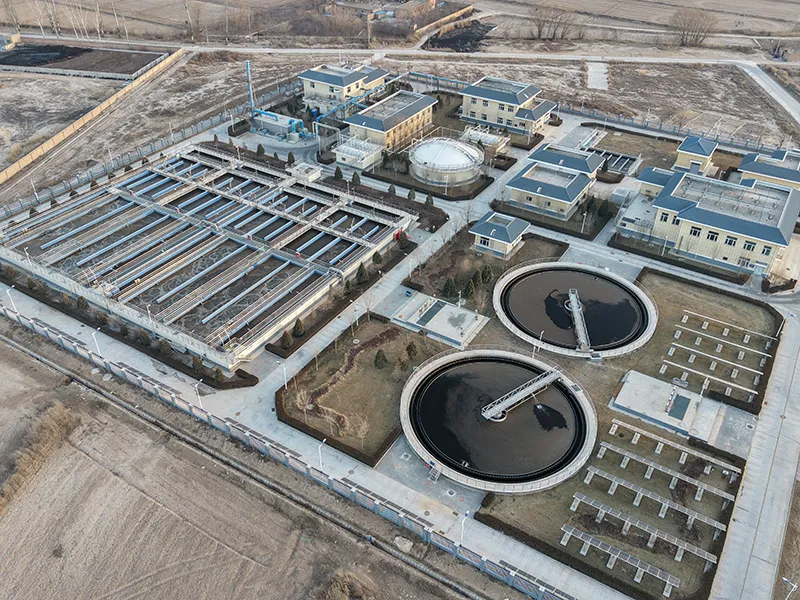
Used as a readily available external carbon source to enhance biological denitrification and improve total nitrogen (TN) removal under low C/N conditions.

Provides fast carbon supplementation for biological systems treating low-biodegradability industrial effluent.
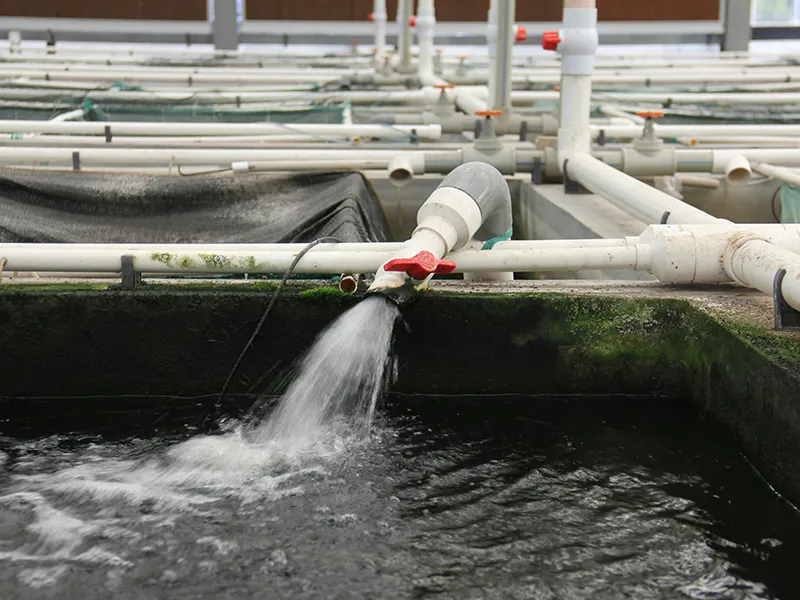
Maintains stable denitrification performance in cold weather where microbial activity is reduced.

Supports performance improvement in existing anoxic tanks and A²/O systems without major process modification.

Applied during shock loads or influent fluctuations to stabilize biological treatment performance.
Features
✔ Rapidly Available Carbon for Denitrifying Bacteria
✔ Stable COD Output & Precise Dosing Control
✔ Reliable Performance in Low-Temperature Conditions
✔ Compatible with Existing Biological Treatment Processes
Biological Denitrification Performance Using Sodium Acetate Carbon Source Video
Related Products


Recommended Dosage & Usage
Recommended Dosage & Usage of Sodium Acetate
Typical dosage is based on influent TN and target effluent standards
COD/N ratio is usually adjusted to 4–6:1 for effective denitrification
Can be dosed as solid or prepared solution depending on system design
Suitable for continuous or intermittent dosing strategies
Jar testing or on-site trials are recommended for precise optimization
Packaging & Supply Capability
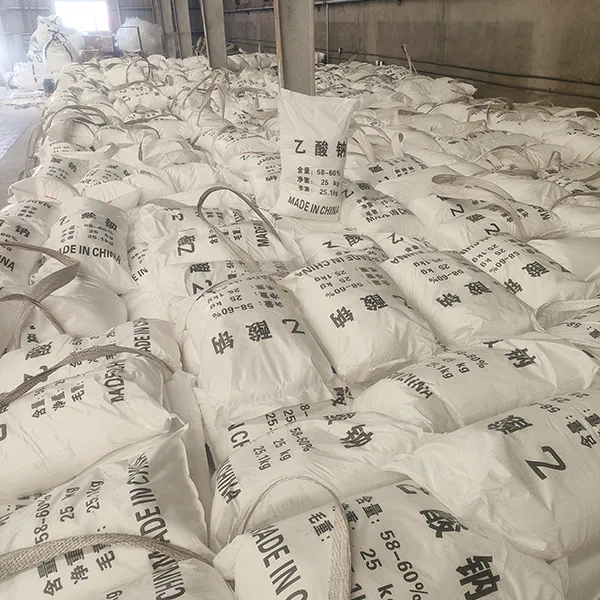
Packaging & Supply Capability
Standard Packaging: 25 kg bags
Bulk Supply: Customized packaging available upon request
Supply Capacity: Stable production for long-term wastewater projects
MOQ: Flexible depending on application and form selection
Quality Control & Compliance
Controlled raw material sourcing and batch consistency
Stable sodium acetate content and COD value
Products meet wastewater treatment chemical standards
SDS and third-party testing reports available upon request
Frequently Asked Questions (FAQ)
How to Order Sodium Acetate for Wastewater Treatment
1
Influent TN, COD, temperature, and system configuration.
2
Form selection (powder or crystal) and dosage guidance.
3
Competitive pricing and trial support if required.
4
Stable supply and global logistics support.
Sodium Acetate vs Glucose for Water Treatment Applications
| Comparison Aspect | Sodium Acetate | Glucose |
| Carbon Source Type | Low-molecular organic salt | Carbohydrate-based carbon |
| Bioavailability | Directly utilized by denitrifying bacteria | Requires hydrolysis and metabolic conversion |
| Denitrification Response Speed | Fast | Moderate to slow |
| System Startup Performance | Rapid startup | Longer adaptation period |
| Low-Temperature Performance | Stable in low-temperature conditions | Reduced efficiency at low temperatures |
| COD Release Behavior | Stable and predictable | Fluctuating COD release |
| Risk of Residual COD | Low, easy to control | Higher risk of COD carryover |
| Sludge Production | Relatively low | Higher sludge yield |
| Process Stability | High and controllable | More prone to operational fluctuation |
| Dosing Method | Solid or solution dosing | Mainly solution dosing |
| Typical Applications | Municipal & industrial low C/N wastewater | Cost-driven applications |
| Overall Operating Cost | Lower due to stable performance | Lower upfront, higher long-term cost |
Get Carbon Source Solution for Denitrification
Looking for a reliable sodium acetate supplier for biological nitrogen removal?
Contact us for technical support and competitive pricing.