[rank_math_breadcrumb]
Cationic polyacrylamide used in sewage treatment plants
CPAM flocculant for municipal wastewater treatment
Cationic PAM for sludge conditioning applications
Cationic polyacrylamide for organic sludge dewatering
Cationic polyacrylamide used in sewage treatment plants
CPAM flocculant for municipal wastewater treatment
Cationic PAM for sludge conditioning applications
Cationic polyacrylamide for organic sludge dewatering

High Charge Density Cationic PAM Flocculant for Sludge Dewatering

Cationic PAM | Sludge Dewatering

High-performance Cationic Polyacrylamide designed for efficient sludge dewatering and solid–liquid separation in organic-rich wastewater treatment systems.

What Is Cationic Polyacrylamide (CPAM)?

Cationic Polyacrylamide (CPAM) is a water-soluble, high-molecular-weight polymer flocculant with positively charged functional groups along the molecular chain.
As a professional CPAM manufacturer and supplier, we provide CPAM products specifically designed for sludge dewatering and solid–liquid separation.

CPAM effectively neutralizes negatively charged organic colloids, activated sludge, and biological solids through charge neutralization and polymer bridging, forming dense flocs with excellent dewatering performance.
It is widely used in municipal sewage treatment plants, industrial organic wastewater systems, papermaking, food processing, textile dyeing, and sludge dewatering equipment.

  • Strong Cationic Charge Neutralization

Effectively destabilizes negatively charged sludge particles and organic colloids.

  • High Molecular Weight Structure

Forms dense, compact flocs with excellent water release performance.

  • Low Dosage, High Efficiency

Achieves optimal dewatering results with minimal polymer consumption.

  • Wide Cationic Degree Range

Customized grades available for different sludge types and equipment.

  • Easy Dissolution & Safe Handling

Granular form dissolves completely and is non-toxic and non-corrosive.

Cationic Polyacrylamide Technical Specifications

ItemsSpecifications
Product NameCationic Polyacrylamide
Also Known asCationic PAM,CPAM,Cationic Polymer Flocculant,Cationic Polyacrylamide Flocculant,Cationic PAM Polymer,Cationic
Water-Soluble Polymer
CAS No.9003-05-8
EINECS No.201-173-7
AppearanceWhite or off-white granule
Solid Content≥ 90%
Molecular Weight6–12 million (customizable)
Cationic Degree (%)5–60
Dissolving Time≤ 60 minutes
Residual Monomer≤ 0.05%
ToxicityNon-toxic, non-corrosive

Main Applications of Cationic Polyacrylamide

Sludge Dewatering Solutions
Sludge Dewatering

CPAM is primarily used in sludge conditioning and mechanical dewatering processes, significantly improving sludge cake dryness and filtration efficiency.
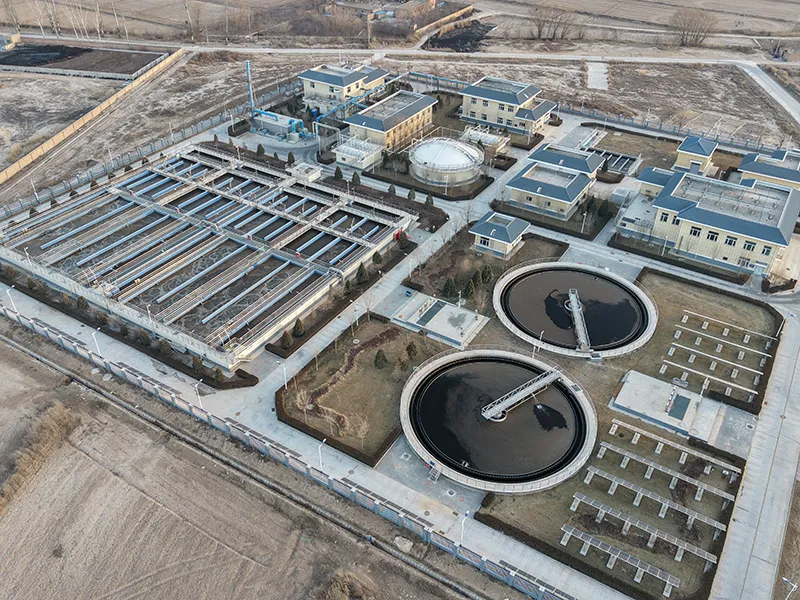
Industrial & Municipal Wastewater Treatment
Municipal Wastewater Treatment

Applied to primary sludge, secondary sludge, and biological sludge in municipal sewage treatment plants.
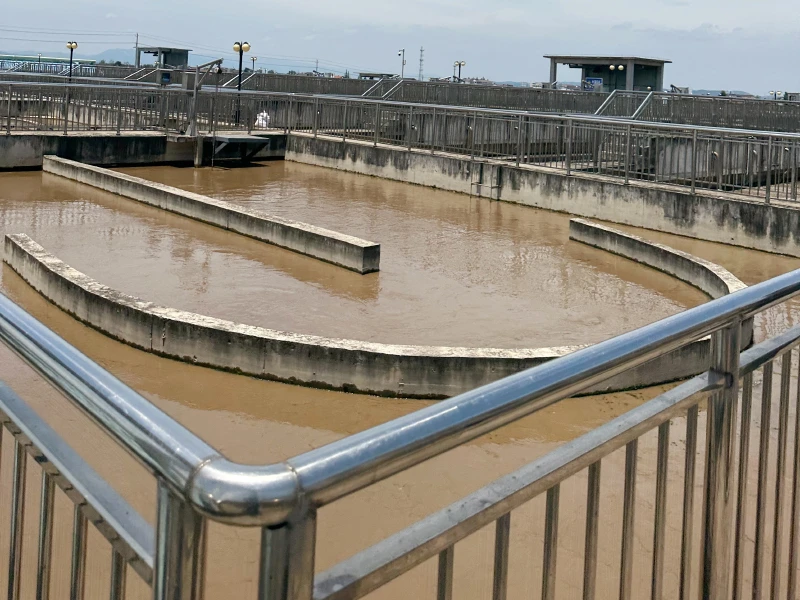
1 Industrial Wastewater Treatment
Industrial Organic Wastewater

Effective for food processing, beverage, brewery, textile dyeing, and chemical wastewater with high organic content.

2 Pulp, Paper & Packaging Wastewater Treatment Solutions
Papermaking Industry

Used as a retention and drainage aid, improving fiber retention and reducing sludge volume.
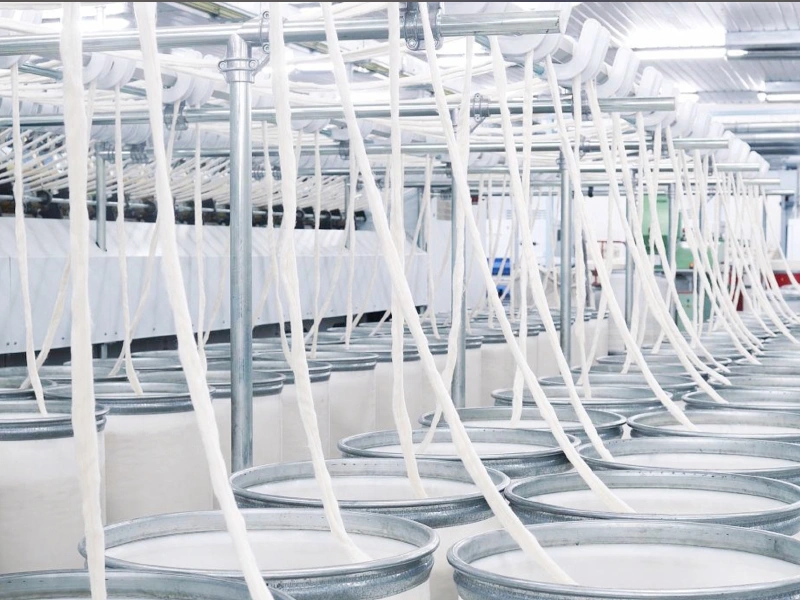
4 Textile and dyeing wastewater
Textile Printing & Dyeing

Enhances color removal and sludge settling in dye wastewater treatment systems.
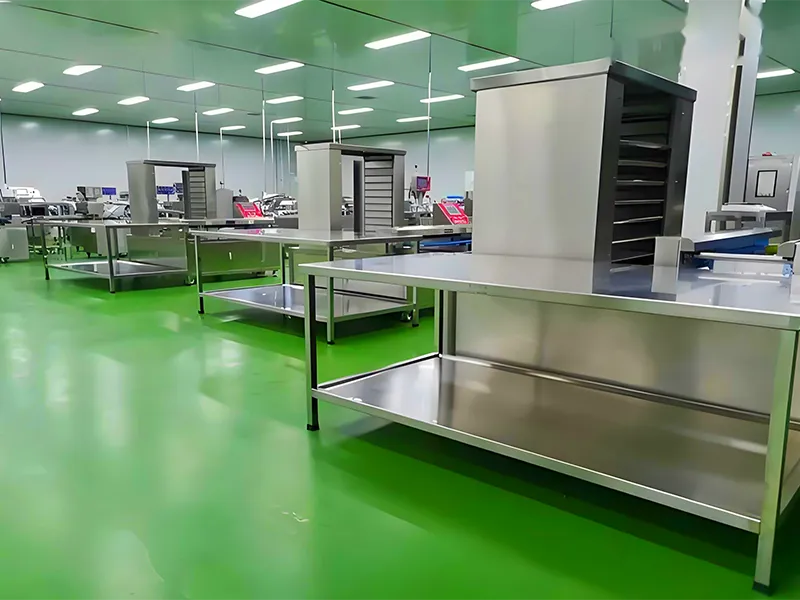
Food & Bioprocessing Industries
Food & Slaughterhouse Wastewater

Efficiently treats grease-, protein-, and COD-rich wastewater and sludge.

Features

✔ Factory Direct Manufacturer
✔ Stable Cationic Charge & Batch Consistency
✔ Customized Grades for Sludge Dewatering
✔ Technical Support for Equipment Matching
✔ Global Export & Project Experience

Sludge Dewatering Performance Video

Detail Display

Related Products

Recommended Dosage & Usage of CPAM

CPAM must be fully pre-dissolved before dosing.

Recommended solution concentration: 0.1–0.3%

Typical dosage: 0.05–5 mg/L, depending on sludge characteristics

Add granules slowly into stirred water to avoid agglomeration

Optimal water temperature: 20–40 °C

Jar testing and on-site trials are strongly recommended to determine the optimal CPAM grade and dosage.

Packaging & Supply Capability

Reliable Long-Term Supply

Standard Packaging: 25 kg kraft paper bag with PE inner liner

Customized Packaging: Jumbo bags or OEM packaging available

Supply Capacity: Stable bulk production for long-term contracts

MOQ: Flexible according to grade and order quantity

Quality Control & Compliance

Strict control of raw materials and production process

Consistent molecular weight and cationic degree

Low residual monomer content

Technical datasheets and SDS available upon request

Frequently Asked Questions (FAQ)

Q1: What is CPAM mainly used for?
CPAM is mainly used for sludge dewatering and solid–liquid separation in organic-rich wastewater systems.
Q2: Can CPAM be used with PAC or PFS?
Yes. CPAM is commonly used after inorganic coagulants to strengthen floc structure and improve dewatering efficiency.
Q3: Is CPAM suitable for inorganic wastewater?
CPAM is mainly designed for organic and biological sludge. APAM is more suitable for inorganic wastewater.
Q4: How long does CPAM take to dissolve?
Complete dissolution typically takes 40–60 minutes under proper conditions.
Q5: Can CPAM grades be customized?
Yes. Molecular weight and cationic degree can be customized based on sludge properties and equipment type.

How to Order CPAM

1

Step 1 – Share Your Sludge Information

Sludge source, organic content, pH, and dewatering equipment.

2

Step 2 – Product Recommendation

CPAM grade selection and technical guidance.

3

Step 3 – Quotation & Sample

Competitive pricing and sample support if required.

4

Step 4 – Production & Delivery

Stable production and global logistics support.

Get Technical Support & Quotation

Looking for a reliable Cationic Polyacrylamide supplier for sludge dewatering?
Contact us for product selection, technical support, and competitive pricing.

Related News

Scroll to Top

Get A Free Quote Now !

Contact Form
Ecozon Chemicals